


-

Add: HeBei ShengShi HongBang Cellulose Technology CO.,LTD.
-

Email
13180486930@163.com -

CONTACT US
+86 13180486930

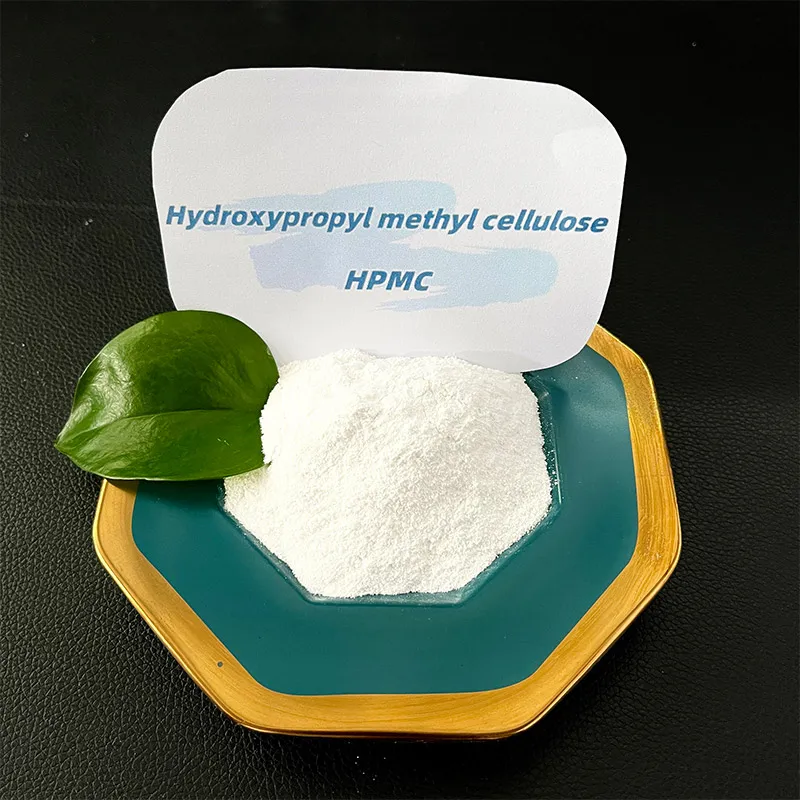
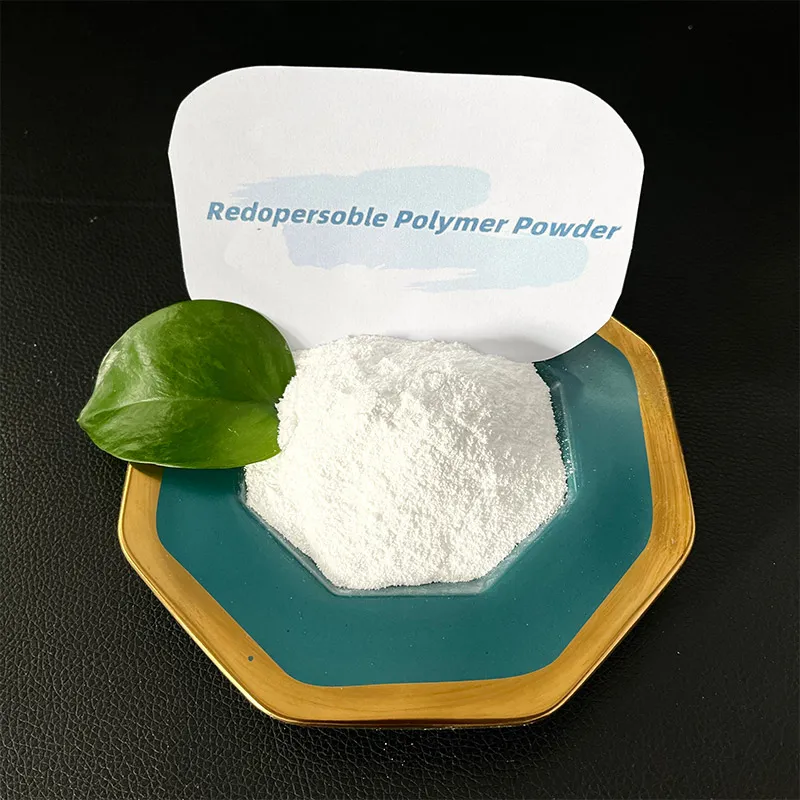
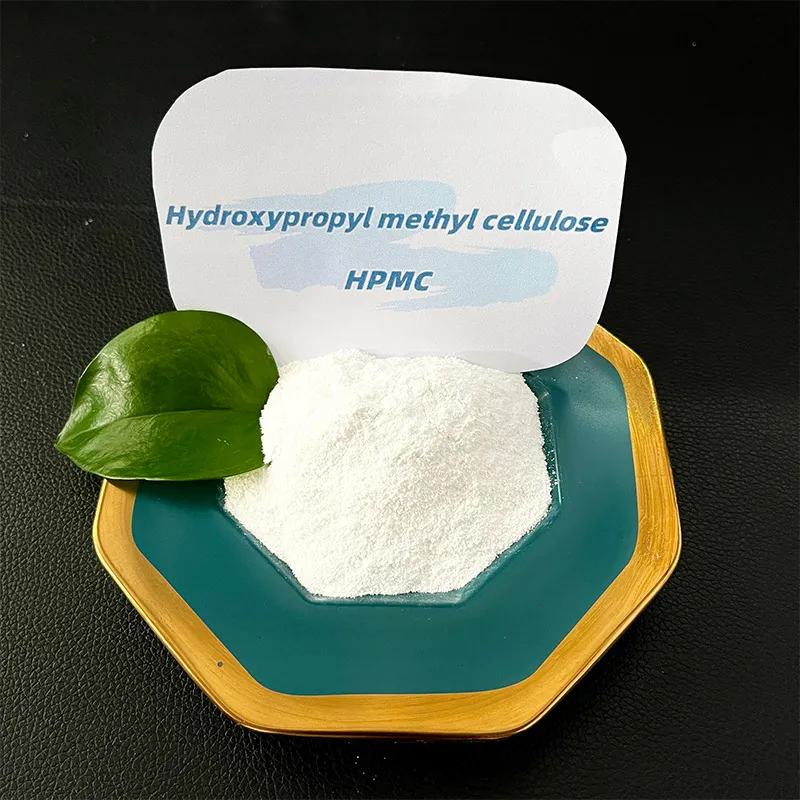


The Growing Importance of PP Fiber Concrete in Modern Construction In the ever-evolving landscape of construction materials, polypropylene (PP) fiber concrete has emerged as a noteworthy innovation that enhances the performance of traditional concrete. This article explores the significance of PP fiber concrete, its properties, applications, and the benefits it brings to modern construction. Understanding PP Fiber Concrete PP fiber concrete is a composite material that incorporates polypropylene fibers into traditional concrete mix. These fibers, typically ranging from 0.5 to 1.5 inches in length, are designed to improve the structural integrity of the concrete. They act as reinforcement, providing a secondary layer of strength that helps to mitigate various forms of damage that can occur during curing and throughout the life of the structure. Key Properties of PP Fiber Concrete One of the most notable properties of PP fiber concrete is its ability to reduce plastic shrinkage cracking. During the curing process, traditional concrete is susceptible to environmental factors such as temperature fluctuations and evaporation of moisture, which can lead to stress and cracks. The integration of polypropylene fibers helps to control these cracks by providing a linking mechanism, which allows stress to be distributed more evenly throughout the concrete. In addition to crack resistance, PP fiber concrete also offers enhanced toughness and impact resistance. The fibers absorb and dissipate energy when forces are applied, making it suitable for applications where durability is paramount. Moreover, the use of PP fibers improves the concrete's resistance to freeze-thaw cycles, making it an ideal choice for structures exposed to varying climatic conditions. Applications of PP Fiber Concrete The versatility of PP fiber concrete lends itself to a wide range of applications across various sectors of the construction industry. It is commonly used in - Industrial Flooring Due to its high durability and resistance to impact, PP fiber concrete is often utilized for industrial flooring where heavy machinery operates. The fibers help to maintain the structural integrity even under heavy loads. pp fiber kongkreto - Pavements and Roads The use of PP fiber in pavement designs has shown to improve the longevity of roads and pavements. It helps reduce wear and tear caused by traffic, leading to lower maintenance costs over time. - Precast Elements In the production of precast concrete components such as walls, beams, and slabs, incorporating PP fibers can enhance performance and reduce the risk of cracking during casting and transportation. - Water Retaining Structures PP fiber concrete is also beneficial in the construction of water tanks and reservoirs, as it minimizes the risk of leakage that can arise from cracking. Benefits of Using PP Fiber Concrete The adoption of PP fiber concrete presents multiple advantages beyond enhanced performance. Firstly, it can lead to significant cost savings over the life cycle of a structure. By reducing the incidence of cracking and the need for repairs, construction companies can optimize their budgets and allocate resources more efficiently. Secondly, the use of PP fibers can contribute to more sustainable construction practices. A lower incidence of repair and maintenance means that materials are conserved, and waste is minimized, aligning with environmentally friendly building standards. Lastly, the integration of PP fibers into concrete mixes is straightforward and does not require specialized equipment. This ease of incorporation allows for its adoption in various construction scenarios without significant changes to existing processes. Conclusion As the construction industry continues to face challenges related to durability, sustainability, and cost efficiency, the emergence of materials like PP fiber concrete represents a significant advancement. Its ability to enhance concrete's performance while providing practical solutions for modern construction needs positions it as a valuable asset in the quest for more resilient infrastructure. With the ongoing research and development in this field, PP fiber concrete is set to play a crucial role in shaping the future of construction.
- 40000tons

Production
- 20+years

Experience
- 5000+㎡

Acreage

-
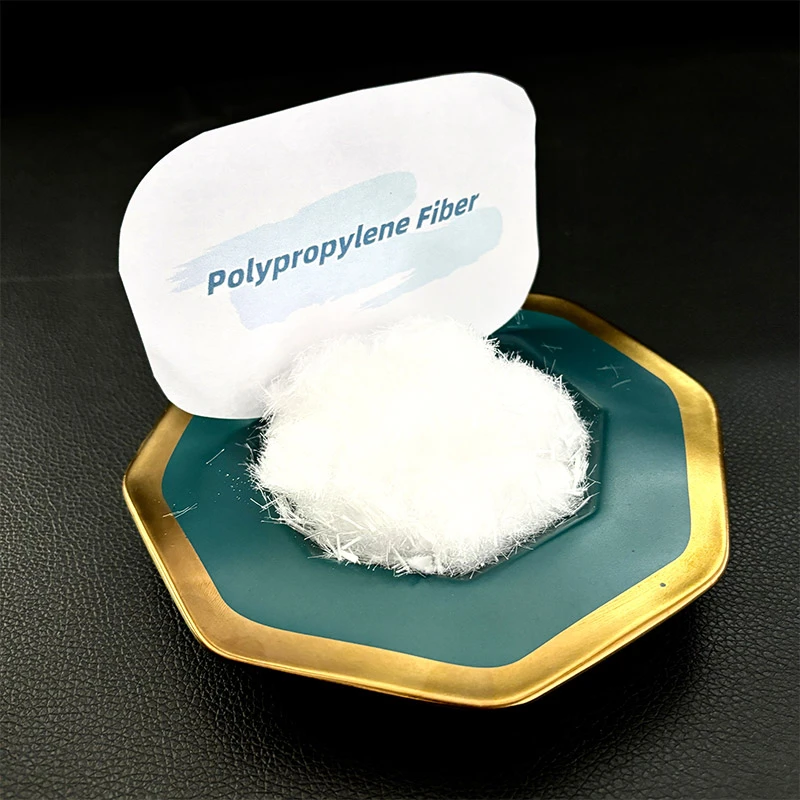
In the world of pharmaceuticals and nutraceuticals, excipients play an essential role in the formulation of drugs, enhancing both their stability and efficacy. Among these, Hydroxypropyl Methylcellulose (HPMC) stands out for its versatile properties and broad range of applications. This article delves into the distinctive characteristics, production processes, and essential benefits of HPMC as an excipient, providing invaluable insights for manufacturers and formulators who aim to leverage its unique attributes for product development. Hydroxypropyl Methylcellulose is a semi-synthetic, inert, and viscoelastic polymer, derived from cellulose. It is renowned for its exceptional ability to modify the viscosity of solutions and its role as a stabilizer, thickener, and film former. These properties make HPMC a preferred choice in the pharmaceutical industry, where it is employed not only in tablet production but also in controlled-release formulations, ophthalmic preparations, and topical agents. The production of HPMC involves the treatment of cellulose with sodium hydroxide followed by a treatment with methyl chloride and propylene oxide. This process yields a complex and adaptable product that can be tailored to meet the specific demands of various drugs, enhancing their performance in ways few other excipients can. The critical control over the degree of substitution and the molecular weight distribution allows manufacturers to customize the viscosity and gel temperature, thus optimizing the stability and release profiles of pharmaceutical formulations. What sets Hydroxypropyl Methylcellulose apart is its role in controlled release mechanisms . As an integral component of hydrophilic matrix systems, HPMC controls the release rate of active pharmaceutical ingredients through a sophisticated erosion and diffusion process. When in contact with bodily fluids, it hydrates rapidly to form a gel layer that regulates drug diffusion and subsequent dissolution. This unique characteristic is particularly advantageous for sustained and controlled-release tablets, providing a predictable pharmacokinetic profile and enhancing patient compliance. hydroxypropyl methylcellulose excipient In topical applications, HPMC serves as an effective film-former, creating a protective layer that not only enhances the delivery of therapeutic agents but also provides moisturizing benefits. Its hypoallergenic and non-toxic nature makes it an optimal choice for dermatological products, ensuring safety and efficacy even in sensitive applications. From a formulators’ perspective, the versatility of Hydroxypropyl Methylcellulose extends into the nutritional supplement industry. It plays a crucial role in the encapsulation of herbal extracts and vitamins, providing a plant-based alternative to gelatin capsules. This property aligns with the increasing consumer demand for vegetarian and vegan products, positioning HPMC as a forward-thinking solution for sustainable product lines. Quality consistency in HPMC production is paramount. Rigorous adherence to Good Manufacturing Practices (GMP) ensures that each batch meets stringent quality standards. Manufacturers who prioritize transparency and reliability in their supply chain build trust with formulators, ultimately impacting the success of end products in the market. Through precise control of process variables and a commitment to quality assurance protocols, the integrity of HPMC as a high-grade excipient is maintained, fostering trust throughout the industry. For formulators exploring innovative ways to augment drug delivery and product integrity, Hydroxypropyl Methylcellulose presents itself as a robust ally. Its adaptability in formulation design, coupled with its favorable safety profile, positions it as a core material in the advancement of both pharmaceutical and nutraceutical applications. When selecting excipients, understanding the inherently unique properties of HPMC could be a game-changer, offering an avenue to superior product performance, enhanced patient experiences, and a competitive edge in the ever-evolving landscape of health and wellness products.
-
Methylcellulose artificial tears have emerged as a significant innovation in the field of ophthalmology, offering an essential solution to the pervasive issue of dry eyes. With the increasing screen time and environmental pollutants contributing to eye discomfort, more people are searching for effective relief methods. To add credibility to this discussion, it's vital to delve into the actual experiences of users, professional insights, and authoritative validations that surround these artificial tears. Methylcellulose , a cellulose derivative, plays a fundamental role in the formulation of artificial tears. This ingredient is known for its exceptional water-retaining properties, making it an effective lubricant for dry eyes. Real-life experiences demonstrate that individuals suffering from chronic dry eyes report substantial relief after incorporating methylcellulose artificial tears into their daily routine. For instance, many users have noticed a significant reduction in symptoms such as redness, irritation, and the sensation of grittiness. Testimonials often highlight the product's quick onset of action, with users feeling soothing relief within minutes of application. Expertise in ophthalmology underscores the importance of choosing the right artificial tear formulation. Methylcellulose-based products are highly recommended by eye care professionals due to their biocompatibility and non-irritating nature, which is crucial for long-term use. Doctors emphasize that these artificial tears maintain ocular surface health by providing a protective layer that mimics natural tear film. This not only alleviates discomfort but also promotes healing of the fragile eye surface. From an authoritative standpoint, several studies have confirmed the efficacy and safety of methylcellulose in artificial tears. Clinical trials suggest that regular use can lead to improved tear film stability, reduced ocular surface stress, and enhanced overall eye health. Such scientific endorsements offer a layer of trustworthiness for those considering methylcellulose-based solutions. Regulatory bodies, including the FDA, recognize and approve methylcellulose for use in ophthalmic applications, further validating its safety profile. methylcellulose artificial tears Trustworthiness of methylcellulose artificial tears is also reinforced through the transparency of product formulations and manufacturing processes. Consumers can be assured of quality through brands that follow stringent testing and quality control measures. Many reputable eye care companies prioritize sustainable practices in sourcing and production, ensuring that their products do not only cater to human health but also consider environmental impacts. This combination of real-world experience, expert recommendations, authoritative endorsements, and trustworthy practices positions methylcellulose artificial tears as a compelling choice for those battling dry eye syndrome. They offer a non-invasive solution that can integrate seamlessly into any lifestyle, providing both immediate and long-lasting relief. As the digital age propels forward, and with it the challenges of maintaining eye health, methylcellulose artificial tears stand out as a scientifically backed, user-validated, and environmentally conscious option. In summary, anyone seeking solutions for dry eyes will likely find methylcellulose artificial tears a suitable match. Their proven effectiveness and safety, supported by professional and reputable sources, cater to a broad audience, from those experiencing mild discomfort to individuals dealing with significant dry eye symptoms. Making an informed choice in the selection of these products can lead to improved quality of life and sustained ocular health, reinforcing their position as a pivotal product in eye care.
advantages
-

200000 Viscosities
Excellent product
We can produce pure products up to 200,000 viscosities
-

40000 tons
High yield
We don’t stop production all year round, and the annual output can reach 40,000 tons
-

24 hours
Quality service
We provide 24-hours online reception service, welcome to consult at any time
———— Inquiry Form
Schedule A services
-
 hpmc_gelation
Oct . 25, 2025
In the modern construction industry, the performance of building materials is critical to ensuring d -
 fibrillated_fiber_concrete
Oct . 25, 2025
Hydroxypropyl methylcellulose 2208 , a highly versatile compound, stands at the forefront of numerou -
 hypromellose_hpmc
Oct . 25, 2025
Hydroxypropyl methylcellulose (HPMC) is widely recognized in the realm of product formulation, parti


